Related Articles


As spring reaches its peak and the days stretch longer, an ancient festival quietly marks the turning of the seasons: Bealtaine (often spelled Beltane). Celebrated on May 1st, Bealtaine sits halfway between the spring equinox and the summer solstice, and for thousands of years it has symbolised fertility, growth, and the vibrant return of life.
The Origins of Bealtaine
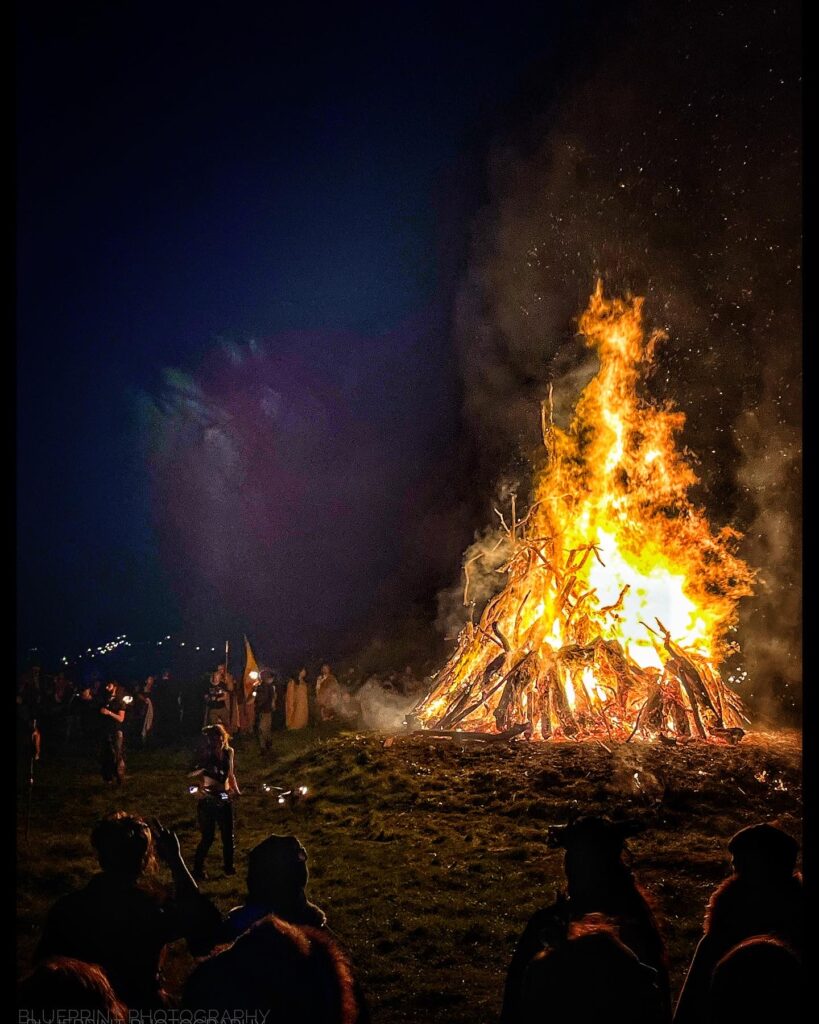
Bealtaine comes from old Gaelic traditions in Ireland and Scotland. The name roughly translates to “bright fire,” and fire is at the heart of the celebration. Historically, communities would light large bonfires to honour the sun and encourage its strength for the coming growing season.
It was also a pastoral festival. Livestock—especially cattle—were driven between two fires as a ritual of protection and purification before being moved to summer pastures. People believed the smoke and flames would ward off disease and misfortune.
Beyond the practical, Bealtaine carried a strong sense of magic and liminality—a time when the veil between worlds was thin, and nature’s energy was at its most potent.
Themes and Symbolism
Bealtaine is rich in symbolism, much of which still resonates today:
- Fertility & abundance – in land, animals, and people
- Fire & light – representing the strengthening sun
- Union of opposites – often symbolised by the joining of masculine and feminine energies
- Thresholds – a time of transition and possibilityIt’s essentially a celebration of life at full throttle—buds becoming blooms, ideas becoming action.
How to Celebrate Bealtaine
You don’t need a hilltop bonfire or a herd of cattle to honour Bealtaine. Modern celebrations can be simple, personal, and just as meaningful.
1. Light a Fire (or a Candle)
Fire is the heart of Bealtaine. If you can safely have a bonfire, great—but a candle works just as well. Take a moment to reflect on what you want to grow in your life as you watch the flame.
2. Spend Time Outdoors
This is a festival of nature in full bloom. Go for a walk, sit in your garden, or visit a woodland. Pay attention to what’s flourishing—it’s a reminder of what’s possible.
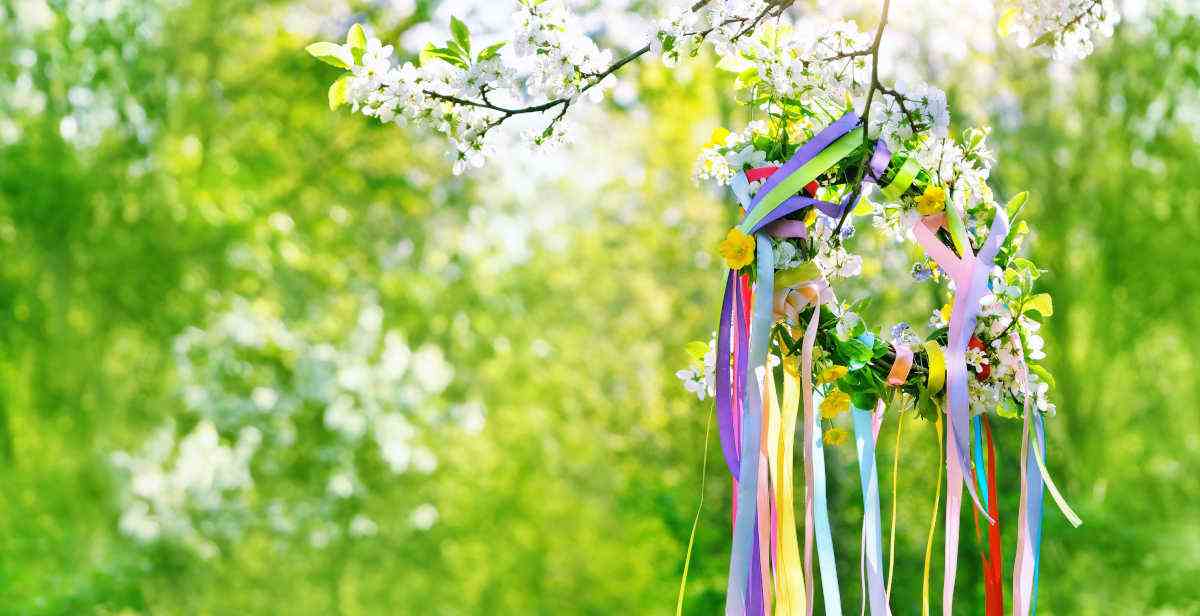
3. Create a May Garland or Decorate Your Space
Traditionally, homes and doorways were decorated with flowers and greenery. Hawthorn, rowan, and wildflowers were especially significant. Even a simple bunch of flowers indoors can capture the spirit.
4. Plant Something
Bealtaine is the perfect time to plant seeds—literally or metaphorically. Whether it’s herbs, flowers, or vegetables, it ties you into the cycle of growth the festival celebrates.
5. Celebrate with Food and Company
Historically, Bealtaine was communal. Share a meal, host a small gathering, or cook something seasonal. Think fresh, vibrant, and nourishing.
6. Mark Intentions or New Beginnings
This is a powerful time for setting intentions. What do you want to build, grow, or bring to life over the coming months? Write it down, speak it aloud, or simply hold it in your thoughts.
A Festival That Still Speaks to Us
Even in modern life, Bealtaine offers something valuable: a pause to recognise the shift from planning to doing, from potential to action. It’s an invitation to step outside, reconnect with the natural world, and lean into growth—whatever that looks like for you.
At its core, Bealtaine isn’t just about ancient rituals. It’s about noticing that life is bursting forward—and choosing to move with it.